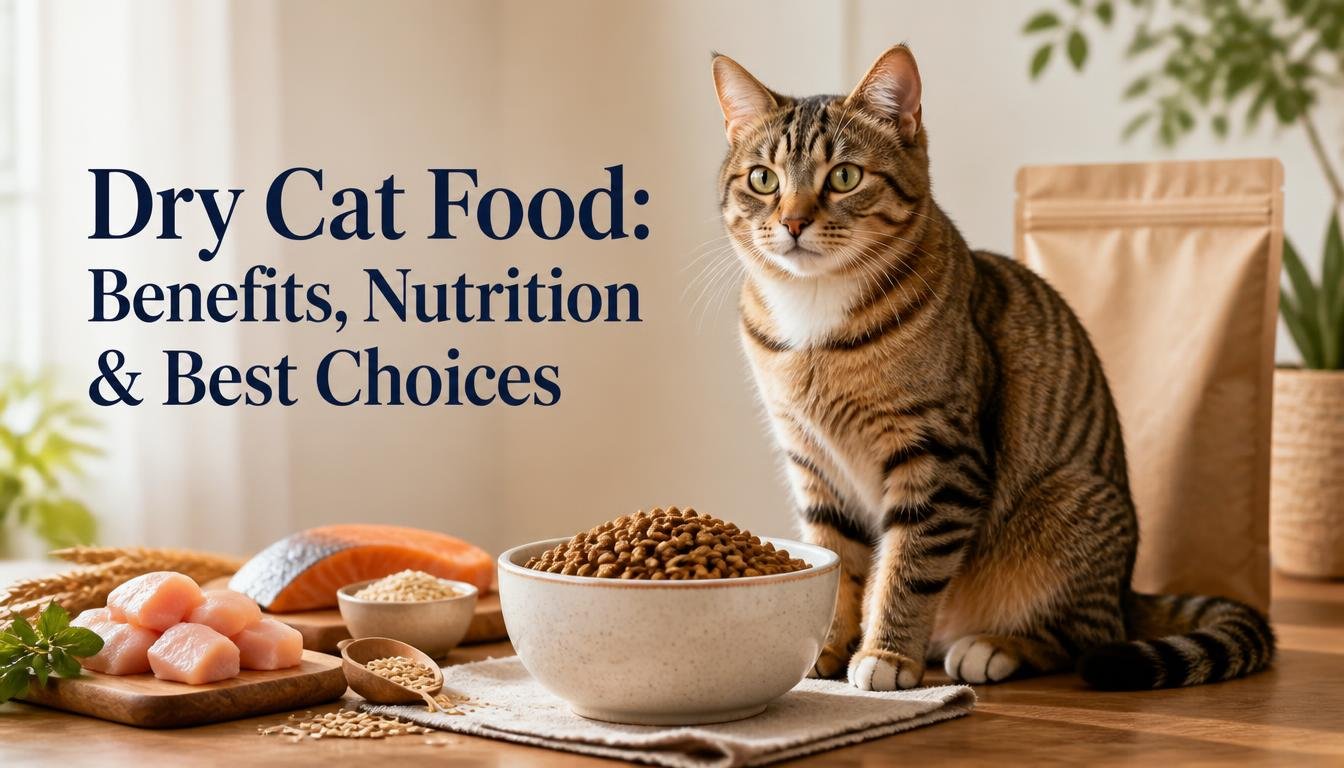
Introduction
Dry cat food is one of the most popular feeding options for cats around the world. It is affordable, convenient to store, and available in formulas designed for kittens, adult cats, senior cats, indoor cats, and cats with specific dietary needs. However, not all dry cat foods are created equal. Understanding the ingredients, protein sources, nutritional balance, and quality standards can help you make better choices for your feline companion.
Whether you have a playful kitten, a relaxed indoor Persian, an active Siamese, or a large Maine Coon, selecting the right dry cat food can contribute to healthy growth, strong muscles, a shiny coat, and overall well-being.
This comprehensive guide explains everything you need to know about dry cat food, including how it is made, what ingredients matter most, common misconceptions, and how to choose a formula that suits your cat’s age, lifestyle, and health needs.
Table of Contents
- What Is Dry Cat Food?
- Why Dry Cat Food Is So Popular
- How Dry Cat Food Is Made
- Understanding Cat Nutrition
- Key Nutrients Every Cat Needs
- Types of Dry Cat Food
- Comparison Table of Popular Brands
- What’s Next in Part Two
What Is Dry Cat Food?
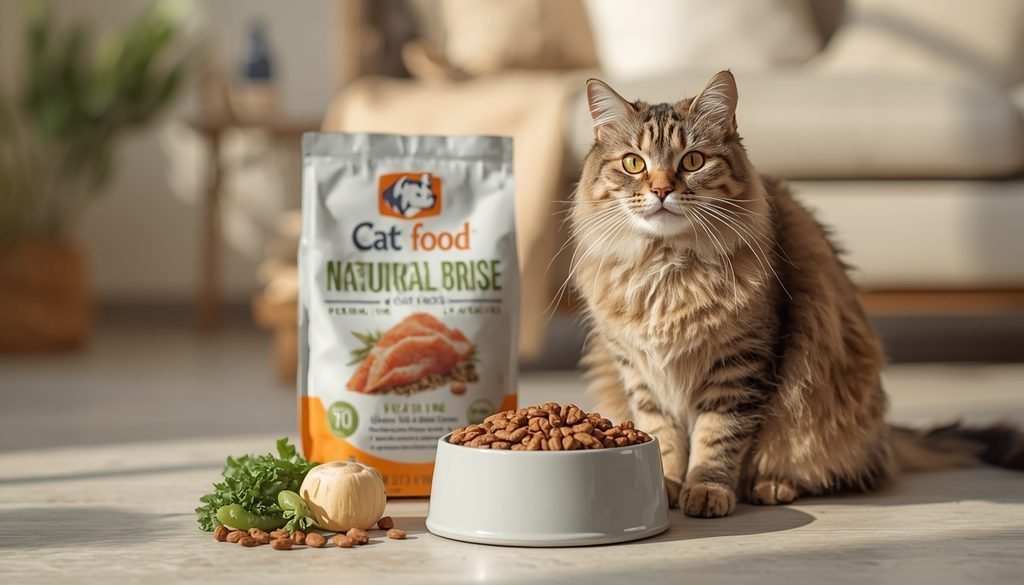
Dry cat food, often called kibble, is a commercially prepared pet food containing a balanced mixture of proteins, fats, carbohydrates, vitamins, minerals, and essential nutrients. Most dry cat foods contain only 8–12% moisture, making them significantly drier than canned or wet cat food.
The low moisture content allows kibble to have a long shelf life while remaining easy to measure, store, and serve.
High-quality dry cat foods are formulated to provide complete and balanced nutrition based on standards established by organizations such as the Association of American Feed Control Officials (AAFCO). These standards help ensure that cat foods contain the nutrients required for different life stages.
Why Do So Many Cat Owners Choose Dry Cat Food?
Dry cat food offers several practical advantages, making it a preferred choice for many households.
Convenience
Unlike wet food, dry kibble can remain in a bowl for longer periods without spoiling quickly. This makes feeding schedules more flexible, especially for owners who work during the day.
Longer Shelf Life
Because it contains little moisture, unopened dry cat food typically lasts much longer than canned food when stored correctly.
Cost-Effective
Dry food generally costs less per serving than wet food, making it an economical option for households with multiple cats.
Easy Storage
Dry cat food requires no refrigeration before opening and is easier to transport during travel.
Variety
Manufacturers produce specialized formulas for:
- Indoor cats
- Outdoor cats
- Weight management
- Hairball control
- Sensitive stomachs
- Urinary health
- Senior cats
- Kittens
How Dry Cat Food Is Made
Many pet owners are curious about how kibble is produced.
The manufacturing process generally involves several carefully controlled steps.
Step 1: Ingredient Selection
Manufacturers combine ingredients such as:
- Chicken
- Turkey
- Salmon
- Lamb
- Fish meal
- Animal fats
- Rice
- Peas
- Sweet potatoes
- Vitamins
- Minerals
- Taurine
The exact recipe depends on the intended life stage and nutritional goals.
Step 2: Grinding and Mixing
Raw ingredients are ground into fine particles and blended to ensure every bite contains a consistent nutrient profile.
Step 3: Extrusion Cooking
The mixture is cooked under high pressure and temperature using an extruder.
This process:
- Improves digestibility
- Eliminates harmful bacteria
- Creates the familiar kibble shape
- Helps preserve nutrients
Step 4: Drying
Fresh kibble is dried to remove excess moisture.
Lower moisture helps prevent bacterial growth and extends shelf life.
Step 5: Coating
After drying, manufacturers spray kibble with:
- Animal fats
- Fish oils
- Flavor enhancers
- Essential fatty acids
This improves taste while increasing calorie density.
Step 6: Packaging
Quality manufacturers package food in moisture-resistant bags that help maintain freshness.
Understanding Cat Nutrition
Cats are obligate carnivores, meaning they require nutrients that are naturally found in animal tissues.
Unlike humans or dogs, cats have higher dietary requirements for certain amino acids and nutrients.
These include:
- Taurine
- Arginine
- Vitamin A
- Vitamin D
- Arachidonic acid
- Animal-based proteins
A nutritionally complete dry cat food should provide all of these nutrients in appropriate amounts.
Essential Nutrients Found in Quality Dry Cat Food
1. Protein
Protein is the most important nutrient for cats.
It supports:
- Muscle growth
- Organ function
- Immune health
- Tissue repair
- Healthy skin
- Strong coat
Animal proteins are generally more biologically appropriate for cats than plant proteins because they contain a more complete amino acid profile.
Common protein sources include:
- Chicken
- Turkey
- Salmon
- Duck
- Beef
- Whitefish
- Lamb
2. Fat
Healthy fats provide concentrated energy while supporting:
- Brain function
- Skin health
- Coat quality
- Vitamin absorption
Important fat sources include:
- Chicken fat
- Salmon oil
- Fish oil
These ingredients also provide beneficial omega-3 and omega-6 fatty acids.
3. Carbohydrates
Cats do not require large amounts of carbohydrates, but moderate levels can provide energy and help create the structure of dry kibble.
Common carbohydrate ingredients include:
- Brown rice
- Oats
- Barley
- Sweet potatoes
- Peas
4. Fiber
Fiber supports healthy digestion and may help reduce hairballs.
Sources include:
- Beet pulp
- Pumpkin
- Cellulose
- Chicory root
5. Vitamins and Minerals
Quality dry cat food includes carefully balanced vitamins and minerals such as:
- Vitamin A
- Vitamin E
- Vitamin D
- Calcium
- Phosphorus
- Zinc
- Selenium
- Iron
These nutrients support bone health, immunity, vision, metabolism, and overall wellness.
6. Taurine
Taurine deserves special attention because cats cannot produce enough of it on their own.
Without sufficient taurine, cats may develop serious health issues affecting:
- Vision
- Heart function
- Reproduction
- Immune health
Complete and balanced commercial cat foods include added taurine to meet nutritional requirements.
Types of Dry Cat Food
Different cats have different nutritional needs. Choosing a formula tailored to your cat’s life stage and lifestyle can support long-term health.
Kitten Formula
Designed for rapid growth, kitten food typically contains:
- Higher protein
- Higher calories
- DHA for brain development
- Balanced calcium and phosphorus for bone growth
Suitable from weaning until about 12 months of age.
Adult Cat Formula
Adult maintenance diets focus on maintaining:
- Lean muscle
- Healthy weight
- Energy levels
- Skin and coat health
These formulas are appropriate for healthy cats between approximately one and seven years old.
Senior Cat Formula
Older cats often benefit from diets with:
- Highly digestible proteins
- Joint-supporting nutrients
- Controlled calories
- Enhanced antioxidants
Some senior formulas also address kidney and urinary health, though cats with medical conditions should be fed under veterinary guidance.
Indoor Cat Formula
Indoor cats tend to be less active than outdoor cats.
Many indoor formulas feature:
- Moderate calorie levels
- Added fiber for hairball control
- Ingredients that support healthy digestion
Outdoor Cat Formula
Outdoor cats often expend more energy through roaming and hunting.
Foods formulated for active outdoor cats may provide:
- Higher calorie density
- Increased protein
- Enhanced fat levels to support energy needs
Comparison Table of Popular Dry Cat Food Brands
| Brand | Best For | Protein Source | Approx. Protein | Overall Rating |
| Purina Pro Plan | Everyday nutrition | Chicken | 40% | ★★★★★ |
| Royal Canin | Breed-specific diets | Chicken | 30–36% | ★★★★★ |
| Hill’s Science Diet | Sensitive digestion | Chicken | 33% | ★★★★☆ |
| Orijen | High-protein diets | Fresh poultry & fish | 40% | ★★★★★ |
| Iams ProActive Health | Budget-friendly | Chicken | 32% | ★★★★☆ |
Protein percentages and product offerings vary by formula.
Key Takeaways
- Dry cat food is convenient, affordable, and widely available.
- Cats are obligate carnivores and require animal-based nutrients.
- High-quality protein should be one of the first ingredients.
- Taurine is an essential nutrient that every complete cat food should provide.
- Different life stages and lifestyles require different nutritional formulations.
Dry Cat Food: Ingredients, Feeding Guide & Buying Advice
How to Read a Dry Cat Food Label
Reading a cat food label can feel overwhelming, but understanding a few key sections helps you choose a nutritionally balanced diet. Manufacturers are required to list ingredients in descending order by weight before cooking, which means the first few ingredients usually make up the largest portion of the recipe.
Look beyond marketing claims such as “premium” or “natural.” Instead, focus on the ingredient list, guaranteed analysis, nutritional adequacy statement, and feeding instructions.
What to Check First
When comparing different dry cat foods, pay attention to:
- The first three to five ingredients
- Named animal protein sources (such as chicken or salmon)
- Protein and fat percentages
- Presence of taurine
- Life-stage suitability
- AAFCO nutritional adequacy statement
A shorter ingredient list is not always better. What matters most is the quality and purpose of the ingredients.
High-Quality Ingredients to Look For
A nutritious dry cat food should provide animal-based protein along with healthy fats, vitamins, minerals, and digestible carbohydrates.
Named Animal Proteins
Cats thrive on animal protein. Quality recipes often begin with ingredients such as:
- Chicken
- Turkey
- Salmon
- Whitefish
- Duck
- Lamb
- Beef
Avoid assuming that fresh meat alone indicates higher quality. Meat meals, when sourced responsibly, are concentrated sources of protein because most of the water has already been removed.
Healthy Fat Sources
Healthy fats improve energy levels, skin condition, and coat quality.
Good examples include:
- Chicken fat
- Salmon oil
- Fish oil
- Flaxseed
These ingredients also provide omega-3 and omega-6 fatty acids that support brain function and reduce inflammation.
Digestible Carbohydrates
Although cats do not require large amounts of carbohydrates, moderate amounts can provide energy and improve kibble texture.
Common carbohydrate sources include:
- Brown rice
- Oats
- Barley
- Sweet potatoes
- Peas
- Lentils
The ideal amount depends on your cat’s activity level and overall health.
Beneficial Additions
Some premium formulas include ingredients that support overall wellness, including:
- Pumpkin for digestion
- Beet pulp for fiber
- Chicory root as a prebiotic
- Cranberries for urinary support
- Blueberries for antioxidants
- Glucosamine and chondroitin for joint health
Ingredients That Deserve a Closer Look
Not every unfamiliar ingredient is harmful, but it’s worth understanding why it is included.
Artificial Colors
Cats do not care what color their food is. Artificial coloring serves no nutritional purpose and can usually be avoided.
Excessive Fillers
Ingredients such as corn, wheat, or soy are not automatically bad. However, recipes that rely heavily on inexpensive fillers instead of animal protein may provide less biologically appropriate nutrition.
Artificial Preservatives
Many manufacturers now use natural preservatives like mixed tocopherols (a form of vitamin E). Older synthetic preservatives are less common in modern premium diets.
Understanding the Guaranteed Analysis
Every commercial cat food includes a guaranteed analysis on the packaging.
This section shows the minimum or maximum levels of key nutrients.
| Nutrient | Why It Matters |
| Crude Protein | Supports muscles, organs, and immune function |
| Crude Fat | Provides energy and healthy skin |
| Crude Fiber | Aids digestion and hairball control |
| Moisture | Indicates water content |
| Ash | Represents total mineral content |
Keep in mind that guaranteed analysis does not measure ingredient quality. Two foods with the same protein percentage may use very different protein sources.
Grain-Free vs. Grain-Inclusive Dry Cat Food
This is one of the most common questions cat owners ask.
Grain-Free Diets
Grain-free formulas replace grains with ingredients such as peas, lentils, or potatoes.
These diets may be appropriate for cats with confirmed grain sensitivities, although true grain allergies are uncommon.
Potential Benefits
- Suitable for some food sensitivities
- Often higher in animal protein
- Wide variety of premium options
Considerations
- Usually more expensive
- Not automatically healthier
- Should still provide complete and balanced nutrition
Grain-Inclusive Diets
Many healthy cats digest grains without difficulty.
Whole grains can provide:
- Fiber
- Vitamins
- Minerals
- Steady energy
Unless your veterinarian recommends otherwise, there is generally no need to avoid grains solely because they are present.
Dry Cat Food for Different Types of Cats
Every cat has unique nutritional needs based on age, activity, breed, and health.
Indoor Cats
Indoor cats often burn fewer calories than outdoor cats.
Look for formulas that include:
- Moderate calorie levels
- Hairball-control fiber
- Weight-management support
- Highly digestible ingredients
Outdoor Cats
Outdoor cats usually require more energy because they spend more time exploring, climbing, and staying active.
Choose foods with:
- Higher protein
- Higher calorie density
- Healthy fats
- Immune-supporting nutrients
Persian Cats
Persian cats are known for their long coats and flat facial structure.
Helpful nutritional features include:
- Skin and coat support
- Hairball management
- Easily chewable kibble shapes
- Omega fatty acids
British Shorthair
British Shorthairs have sturdy builds and may gain weight easily.
Suitable diets often include:
- Controlled calories
- High-quality protein
- Joint-support nutrients
- Weight-management formulas
Maine Coon
As one of the largest domestic cat breeds, Maine Coons benefit from:
- High protein
- Joint support
- Heart-support nutrients such as taurine
- Larger kibble designed for slower chewing
Siamese Cats
Siamese cats are generally active and lean.
Many owners choose diets with:
- High-quality protein
- Moderate fat
- Digestible ingredients
- Muscle-maintenance support
Kittens
Growing kittens require:
- Higher calories
- DHA for brain development
- Calcium
- Phosphorus
- Highly digestible protein
Transition to adult food around one year of age unless your veterinarian advises otherwise.
Senior Cats
Older cats may experience changes in metabolism, dental health, or digestion.
Senior formulas often include:
- Easily digestible protein
- Controlled phosphorus
- Joint-support ingredients
- Antioxidants
- Moderate calorie levels
Cats with chronic medical conditions should follow a veterinarian’s dietary recommendations.
Dry Cat Food Pros and Cons
| Pros | Cons |
| Convenient to store | Lower moisture than wet food |
| Long shelf life | Some cats may overeat |
| Cost-effective | Requires access to fresh drinking water |
| Easy portion control | Quality varies between brands |
| Supports daily feeding routines | Not every formula suits every cat |
Feeding Guide
The correct amount of dry cat food depends on several factors, including:
- Age
- Weight
- Activity level
- Neuter status
- Overall health
- Calorie content of the food
Always follow the feeding guide on the product label as a starting point and adjust based on your cat’s body condition.
Fresh, clean drinking water should always be available because dry food contains relatively little moisture.
General Feeding Chart
| Cat Weight | Daily Food (Approximate) |
| 2–3 kg | 30–45 g |
| 3–4 kg | 45–60 g |
| 4–5 kg | 60–75 g |
| 5–6 kg | 75–90 g |
| 6–7 kg | 90–105 g |
| 7–8 kg | 105–120 g |
Note: Actual feeding amounts vary by brand and calorie density. Always check the manufacturer’s recommendations.
How to Transition to a New Dry Cat Food
Changing your cat’s diet too quickly may lead to digestive upset.
A gradual transition over 7–10 days is generally recommended.
| Day | Old Food | New Food |
| 1–2 | 75% | 25% |
| 3–4 | 50% | 50% |
| 5–6 | 25% | 75% |
| 7+ | 0% | 100% |
If your cat develops persistent vomiting, diarrhea, or refuses to eat, consult your veterinarian.
Expert Buying Tips
Before purchasing dry cat food, consider these practical recommendations:
- Choose a formula labeled as complete and balanced for your cat’s life stage.
- Look for a named animal protein among the first ingredients.
- Compare protein, fat, and calorie content rather than marketing claims.
- Buy from reputable brands with strong quality-control practices.
- Check the expiration date and package integrity before purchasing.
- Store food in a cool, dry place to help maintain freshness.
- Introduce new foods gradually to reduce the risk of digestive upset.
Common Mistakes to Avoid
Many cat owners make well-intentioned feeding mistakes that can affect long-term health.
Avoid these common errors:
- Choosing food based only on price.
- Ignoring the ingredient list.
- Overfeeding due to free-feeding without portion control.
- Switching foods abruptly.
- Not providing enough fresh water.
- Feeding the same formula throughout every life stage without reassessing nutritional needs.
- Assuming grain-free diets are always superior.
- Overlooking your cat’s body condition and weight changes.
Key Takeaways
- Quality ingredients matter more than marketing terms.
- Choose a diet appropriate for your cat’s age, breed, lifestyle, and health.
- Read labels carefully and compare nutrient profiles.
- Feed measured portions and ensure constant access to fresh water.
- Transition gradually when changing foods to support digestive health.
Best Brands, FAQs, SEO Assets & Conclusion
Best Dry Cat Food Brands Compared
Choosing the best dry cat food depends on your cat’s age, activity level, health status, and budget. No single brand is ideal for every cat, but several manufacturers have built strong reputations for producing nutritionally balanced diets and investing in quality control.
The table below compares some of the most recognized dry cat food brands.
| Brand | Best For | Protein | Price | Rating |
| Purina Pro Plan | Everyday nutrition | 40% | $$ | ★★★★★ |
| Royal Canin | Breed-specific formulas | 30–36% | $$$ | ★★★★★ |
| Hill’s Science Diet | Sensitive stomachs | 33% | $$$ | ★★★★☆ |
| Orijen | High-protein diets | 40% | $$$$ | ★★★★★ |
| Acana | Active adult cats | 35% | $$$ | ★★★★☆ |
| Iams ProActive Health | Budget-friendly | 32% | $$ | ★★★★☆ |
| Wellness CORE | Grain-free nutrition | 38–45% | $$$ | ★★★★☆ |
| Blue Buffalo Wilderness | High-protein recipes | 40% | $$$ | ★★★★☆ |
Expert Tip: Instead of choosing a food based only on brand reputation, compare the specific recipe, life-stage suitability, calorie content, and ingredient list.
How to Store Dry Cat Food Properly
Proper storage helps preserve freshness, flavor, and nutritional quality.
Follow these simple guidelines:
- Keep food in a cool, dry place.
- Seal the bag tightly after every use.
- Store the original bag inside an airtight container when possible.
- Avoid direct sunlight and humid environments.
- Never mix old kibble with newly purchased food.
- Check the expiration date before feeding.
- Discard food if it develops an unusual odor, mold, or signs of insect contamination.
Signs Your Cat May Need a Different Food
Every cat responds differently to a particular diet. If you notice ongoing issues, it may be time to review your cat’s nutrition with your veterinarian.
Possible signs include:
- Frequent vomiting
- Chronic diarrhea
- Constipation
- Poor coat quality
- Excessive shedding
- Persistent itching
- Low energy
- Unexplained weight gain or loss
- Poor appetite
- Frequent hairballs
- Bad breath related to dental disease
These symptoms are not always caused by food, so professional evaluation is important before making major dietary changes.
Expert Tips for Choosing the Right Dry Cat Food
Veterinary nutritionists generally recommend focusing on nutritional quality rather than marketing claims.
Here are some practical tips:
- Choose food formulated for your cat’s life stage.
- Prioritize named animal protein sources.
- Look for an AAFCO nutritional adequacy statement.
- Compare calorie content if your cat needs weight management.
- Introduce new diets gradually over 7–10 days.
- Monitor body weight every month.
- Ensure your cat always has access to clean drinking water.
- Schedule regular veterinary checkups to assess nutritional needs.
Frequently Asked Questions
1. Is dry cat food healthy?
Yes. A high-quality, complete, and balanced dry cat food can provide all the essential nutrients a healthy cat needs. The key is selecting a reputable formula that matches your cat’s life stage and individual needs.
2. Can cats eat only dry food?
Many healthy cats can thrive on dry food alone if it provides complete nutrition and they drink enough water. However, some owners choose to combine dry and wet food to increase moisture intake.
3. How much dry food should I feed my cat?
The correct amount depends on your cat’s age, weight, activity level, and the calorie content of the food. Always begin with the manufacturer’s feeding guide and adjust based on your cat’s body condition.
4. Is grain-free dry cat food better?
Not necessarily. Grain-free diets can be appropriate for cats with specific dietary sensitivities, but healthy cats generally digest properly formulated grain-inclusive diets well.
5. What ingredient should appear first?
A named animal protein, such as chicken, turkey, salmon, or lamb, is generally a good sign of a protein-focused recipe.
6. How long does dry cat food last after opening?
Most dry cat foods maintain their best quality for about 4–6 weeks after opening when stored correctly in a cool, dry place and kept sealed.
7. Can kittens eat adult dry cat food?
No. Kittens require higher levels of calories, protein, vitamins, and minerals to support growth. Choose a formula specifically designed for kittens until around 12 months of age unless advised otherwise by your veterinarian.
8. Is dry food better for dental health?
Dry kibble may provide a small amount of mechanical cleaning while chewing, but it should not replace regular dental care. Veterinary dental diets and routine oral hygiene are more effective for maintaining dental health.
Final Verdict
Dry cat food remains one of the most practical and nutritionally complete feeding options available for most cats. It is convenient to store, easy to portion, and available in specialized formulas for kittens, adults, seniors, indoor cats, and cats with unique dietary needs.
The best dry cat food is not simply the most expensive product on the shelf. It is the one that provides balanced nutrition, contains high-quality ingredients, matches your cat’s life stage, and supports long-term health.
By learning how to read ingredient labels, compare nutrient profiles, and monitor your cat’s condition over time, you can make informed feeding decisions that contribute to a healthier and happier life for your feline companion.
Conclusion
Choosing the right dry cat food is one of the most important decisions you can make for your cat’s long-term health. A nutritionally balanced diet supports healthy muscles, strong bones, a shiny coat, proper digestion, and sustained energy throughout every stage of life.
Whether you care for an energetic kitten, a laid-back indoor Persian, an adventurous outdoor cat, or a senior companion, selecting a high-quality dry cat food tailored to their needs can make a meaningful difference.
Remember to evaluate ingredient quality, choose a formula appropriate for your cat’s age and lifestyle, provide fresh water at all times, and consult your veterinarian whenever you have concerns about your cat’s diet.
With the right nutrition and regular care, your feline friend can enjoy a healthier, more active, and happier life.